Deck lighting creates atmosphere and safety for your outdoor living space, and LED strip lights offer one of the most elegant solutions available. Installing LED strips along deck railings transforms any patio or terrace into an inviting evening retreat whilst providing functional illumination for safe movement after dark.
Why Choose LED Strip Lights for Deck Railings?
LED strip lighting has become the preferred choice for European homeowners looking to enhance their outdoor spaces. Unlike traditional bulky outdoor fixtures, LED strips provide continuous, even lighting that follows the natural lines of your deck architecture. The slim profile means they integrate seamlessly without dominating the visual design of your railing.
With energy costs remaining a concern across Europe, LED technology offers significant savings compared to conventional outdoor lighting. A typical 5-metre LED strip consumes just 24-36 watts whilst providing ample illumination for an entire deck section - that's roughly the same energy as a single old-fashioned incandescent bulb. Over a typical April-to-September terrace season, this translates to minimal impact on your electricity bill even when used nightly.
Selecting the Right LED Strip for Outdoor Use
Not all LED strips are suitable for outdoor installation. When choosing strips for deck railings, the IP (Ingress Protection) rating is crucial. Look for a minimum rating of IP65, which provides protection against water jets from any direction - essential for withstanding European weather conditions from Atlantic rain to Nordic snow.
For railings, consider these key specifications:
- IP rating: IP65 or IP67 for weather resistance - IP68 if railings are exposed to heavy rain or snow accumulation
- Colour temperature: 2700-3000K (warm white) creates cosy ambiance, whilst 4000K (neutral white) offers better visibility for functional lighting
- Brightness: 400-600 lumens per metre provides adequate illumination without overwhelming glare
- Voltage: 12V or 24V systems are safest for DIY installation and comply with low-voltage outdoor standards across the EU
- UV resistance: Essential for strips exposed to direct sunlight during daytime to prevent colour degradation
Installation Methods for Deck Railings
Most deck railings offer several mounting options for LED strips. The underneath of the handrail provides an ideal location, casting gentle downward light whilst keeping the strip protected from direct rainfall and UV exposure. This placement creates an elegant indirect lighting effect that highlights the deck surface without causing glare.
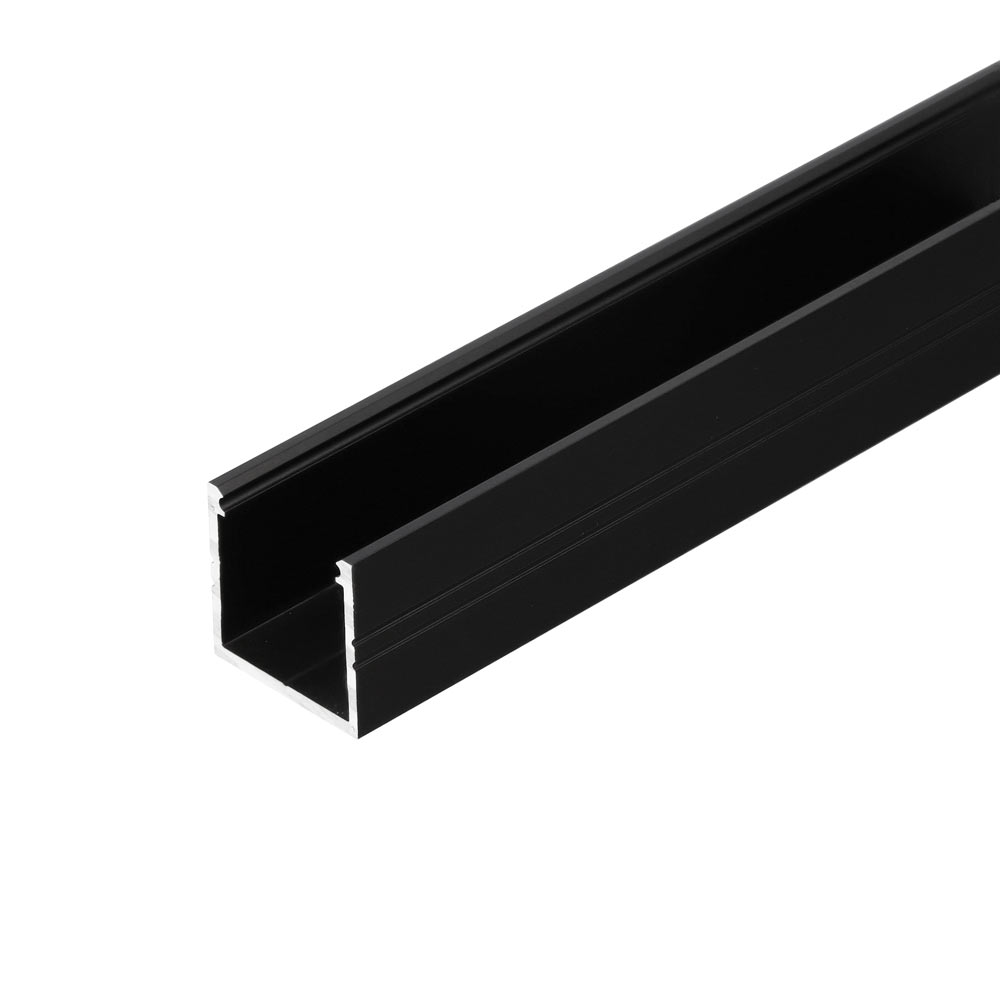
For metal or composite railings with channels, LED strips can often be recessed directly into grooves, creating a completely integrated look. Wooden railings may require small aluminium channels or profiles that both protect the strip and improve heat dissipation - though LED strips generate minimal heat, proper ventilation extends their lifespan significantly.
When planning your installation, measure carefully and account for corners and angles. Many quality LED strips can be cut at designated points (typically every 5-10cm) to achieve exact lengths. Use IP65-rated connectors for any joints rather than soldering if you're not experienced, as these maintain the weatherproof rating and allow for easier maintenance.
Power Supply and Control Options
Your LED strip installation requires a suitable transformer to convert mains 230V to the safe 12V or 24V operating voltage. Calculate total wattage needed by multiplying your strip length by per-metre consumption, then add 20% capacity as a safety margin. For example, 8 metres of strip at 7.2W/m requires approximately 70W transformer capacity.
Position the transformer in a protected location such as under the deck, in a weatherproof junction box, or inside an adjacent shed or garage. Ensure it carries appropriate outdoor certification (typically IP44 minimum) if exposed to the elements.
Consider adding dimmer controls or smart controllers to adjust brightness levels. Many European homeowners appreciate the flexibility to create bright functional lighting for barbecues and garden parties, then dim to subtle ambient levels for quiet evenings. Smart RGB strips offer even more versatility, allowing colour changes to match occasions or seasons.
Practical Installation Tips
Proper surface preparation ensures long-lasting adhesion. Clean the mounting surface thoroughly with isopropyl alcohol to remove dirt, oils, and any existing treatments. Allow to dry completely before applying the strip. For wooden railings treated with oil-based products, light sanding may improve adhesion.
Work in temperatures above 15°C when installing adhesive-backed strips, as cold conditions reduce adhesive effectiveness. If installing during cooler months, warm the strips indoors before application and consider additional mounting clips every 50cm for extra security.
Run cables discretely along railing posts or underneath deck boards where possible. Use outdoor-rated cable clips designed for the purpose rather than standard indoor varieties, as these withstand UV exposure and temperature fluctuations better. Where cables must cross walking surfaces, use appropriate protective channelling to prevent trip hazards.
Maintenance and Longevity
Quality LED strips typically offer 25,000-50,000 hours of operation - potentially 15-20 years of typical evening use during the terrace season. To maximise this lifespan, clean strips twice yearly with a soft damp cloth to remove accumulated pollen, dust, and debris that can reduce light output.
Before winter, check all connections and ensure water hasn't penetrated any joints. In regions with harsh winters, some homeowners choose to remove LED strips and store them indoors, though properly installed IP67-rated systems should withstand freezing temperatures without issues.
Keep spare connectors and a short length of matching strip on hand for repairs. Most installations remain trouble-free, but having replacement parts available means quick fixes if a section becomes damaged.
Creating the Perfect Atmosphere
LED railing lights transform how you use your outdoor space. The gentle illumination extends usable hours well into the evening, making your deck a natural gathering place during warm summer nights. Strategic lighting also enhances safety, clearly defining deck edges and steps that might otherwise pose hazards in darkness.
Consider coordinating railing lights with other deck lighting elements such as recessed step lights or post cap fixtures for a cohesive design. Warm colour temperatures (2700-3000K) complement wooden decking beautifully and create inviting ambiance, whilst cooler temperatures suit modern composite or metal railings.
For added sophistication, explore strips with colour-changing capabilities. Many European homeowners enjoy adjusting colours for special occasions - warm amber for autumn gatherings, cool blue for summer parties, or festive colours during holiday seasons.